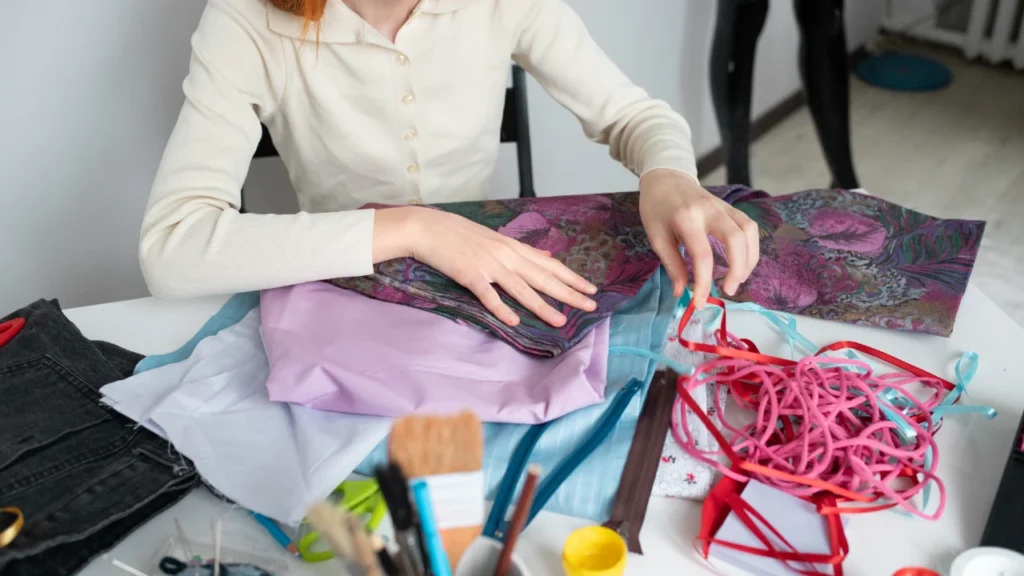
Embroidery has always been part of our cultural and creative identity, but today, it is experiencing a transformation like never before. The world is embracing a fresh wave of creativity, and The Rise of Modern Stitching & Contemporary Embroidery Art is more than just a trend—it’s a movement. From digital embroidery machines to eco-friendly threads and bold, artistic patterns, embroidery has entered a new era where tradition meets modern style. Whether you’re a hobbyist or a professional creator, 2025 is proving to be the year where stitching becomes smarter, more expressive, and more accessible.
As embroidery evolves, global brands, small businesses, DIY lovers, and home creators are adopting new techniques. Platforms like americanshabit are also promoting unique craft supplies, helping people discover the tools and materials that match their creativity. With all these changes happening at once, one thing is clear: embroidery is no longer seen as old-fashioned; it’s finally getting the spotlight it deserves.
Modern Stitching Trends Changing The Craft Industry
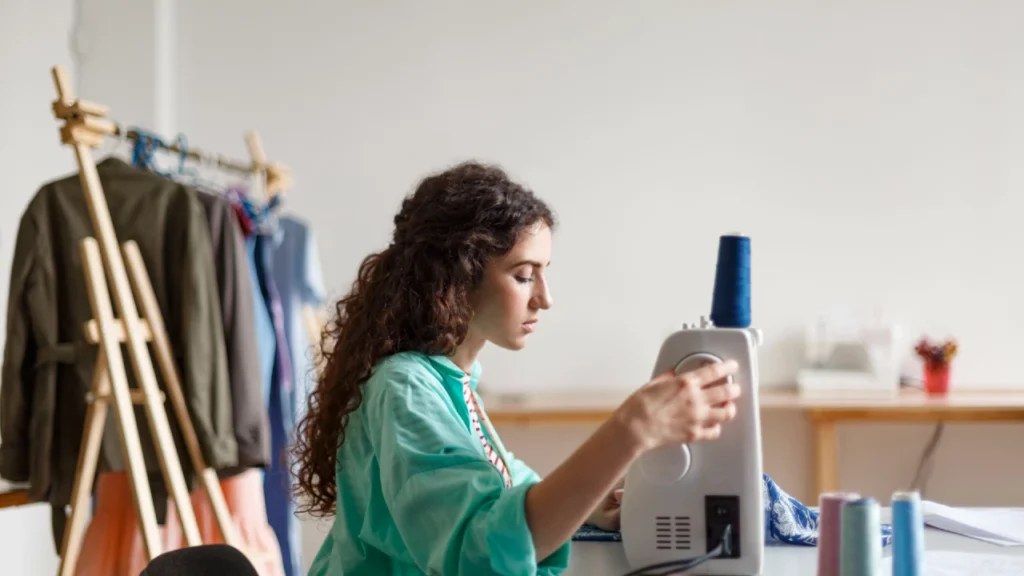
Modern stitching is not just about decorative needlework—it’s becoming an artistic language. Today’s creators focus on innovation, sustainability, personal expression, and technology. Below is a curated list of Top Modern Stitching Trends placed naturally where it fits best:
List Of Modern Stitching & Embroidery Trends (2025)
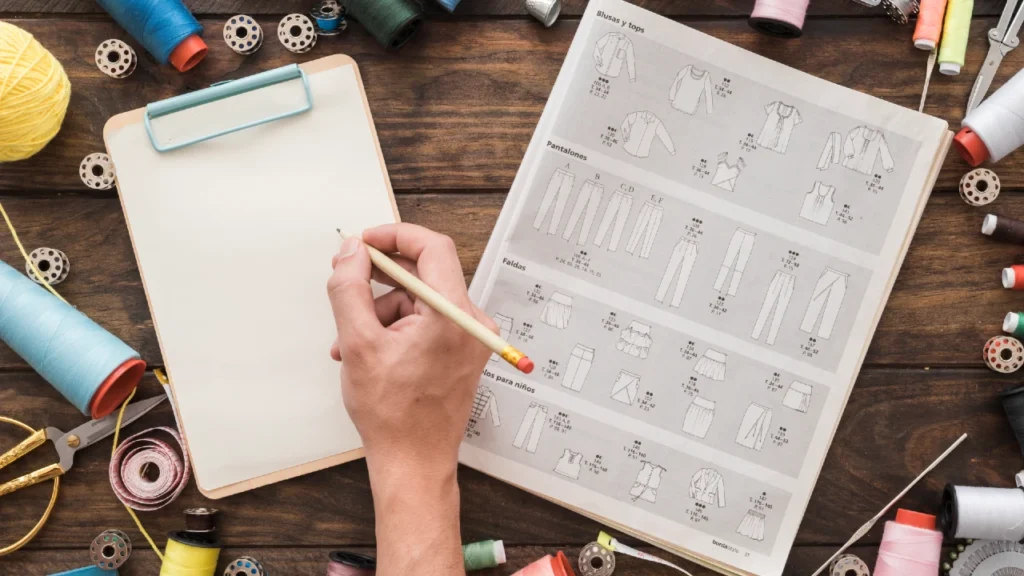
- Digital machine embroidery
- 3D raised stitching
- Minimalist line-art embroidery
- Eco-friendly threads and fabrics
- Mixed-media embroidery (fabric + beads + paint)
- Wearable embroidered accessories
- Personalized home décor stitching
- Hand-stitched portraits
- Cultural and heritage-inspired motifs
- Neon thread & glow-in-the-dark embroidery
These trends are shaping how artists, designers, and home crafters approach embroidery today.
The Evolution Of Contemporary Embroidery Art
1. Contemporary Embroidery Art
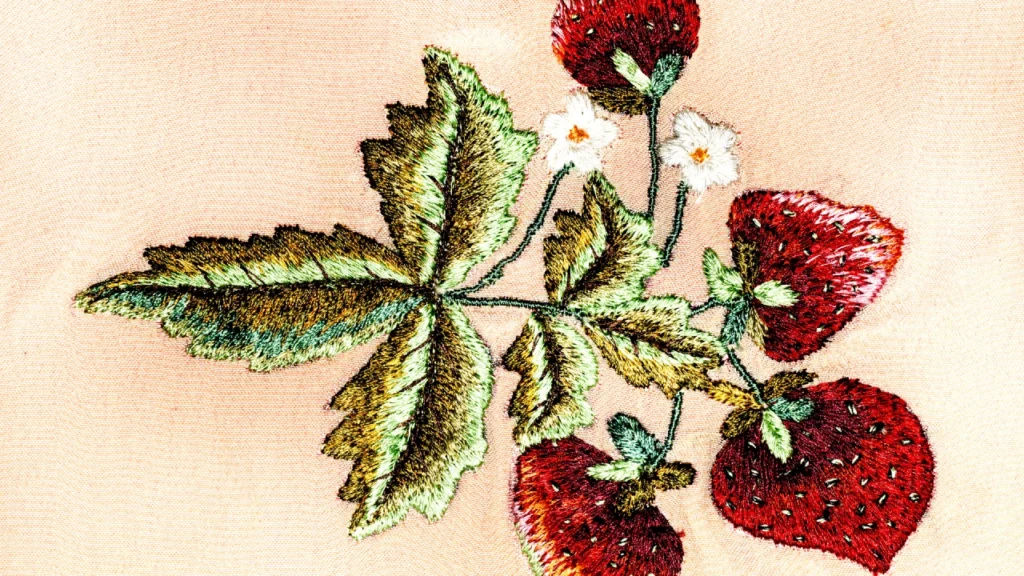
Contemporary embroidery art has moved far beyond traditional floral designs and borders. Today, artists experiment with abstract shapes, textured patterns, landscapes, and even emotional storytelling through stitching. Instead of following fixed templates, creators now use embroidery as a medium to express personal ideas and modern aesthetics.
One of the biggest shifts is the rise of portrait embroidery. Artists stitch human faces, expressions, and emotions on fabric using layered threads, giving their work a realistic and artistic feel. This style blends fine art with textile design, making embroidery suitable for galleries, exhibitions, and digital art platforms.
Technology Meets Tradition In Modern Stitching
2. Modern Stitching Techniques
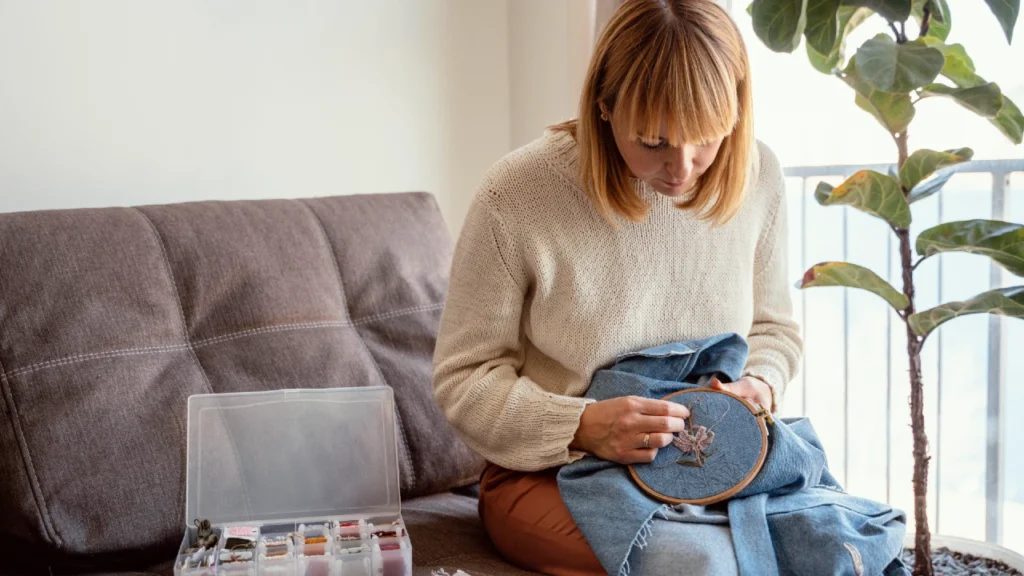
Technology has played a major role in transforming the stitching world. Advanced embroidery machines, design software, and AI-based pattern tools have made it easier for beginners to create complex work. These tools help users experiment with textures, shapes, and color gradients that were difficult to achieve by hand.
Digital embroidery machines also allow creators to upload design files and stitch them instantly. This has opened new doors for small businesses, especially those selling customized clothing, patches, and accessories online. Even home users enjoy the process because modern machines improve precision while keeping creativity intact.
For those who love the handmade touch, modern stitching techniques such as 3D puffy stitching, thread painting, and reverse stitching have become very popular. These styles add depth and dimension, making the artwork stand out.
Sustainability & Eco-Friendly Stitching
3. Eco-Friendly Embroidery

As global awareness about sustainability increases, embroidery artists are shifting towards environmentally friendly methods. The trend involves:
- Organic cotton fabrics
- Plant-based dyes
- Recycled threads
- Zero-waste stitching kits
- Natural color palettes
This shift is not only better for the planet but also offers beautiful aesthetic results. Sustainable embroidery tends to have warm, earthy, and timeless visuals, making it perfect for modern home décor and fashion.
Brands like americanshabit support eco-friendly craft products, giving creators access to safer and greener materials.
Modern Embroidery In Fashion & Lifestyle
4. Fashion Embroidery Trends

Fashion designers have completely redefined the role of embroidery. It is now used in:
- Denim jackets
- Tote bags
- Sneakers
- Hoodies
- Minimalist T-shirts
- Luxury evening wear
- Bridal couture
Instead of heavy and traditional designs, fashion now prefers clean, bold, and artistic embroidery. Line-art stitching on clothing is becoming extremely popular among Gen Z and Millennials. Similarly, embroidered accessories like bags, hats, and shoes are dominating lifestyle trends.
Embroidery gives fashion a personal touch—something digital printing often cannot achieve.
Home Décor & Interior Embroidery Trends
5. Home Embroidery Décor

Home décor is another area experiencing a modern embroidery revolution. People are decorating their homes with:
- Hand-stitched wall frames
- Embroidered cushion covers
- Personalized table runners
- Hoop art
- Fabric murals
These décor pieces create a cozy, artistic environment and help people express their individuality through handmade items. The popularity of DIY crafting platforms has pushed this trend even further.
The Rise Of Small Businesses Through Modern Stitching
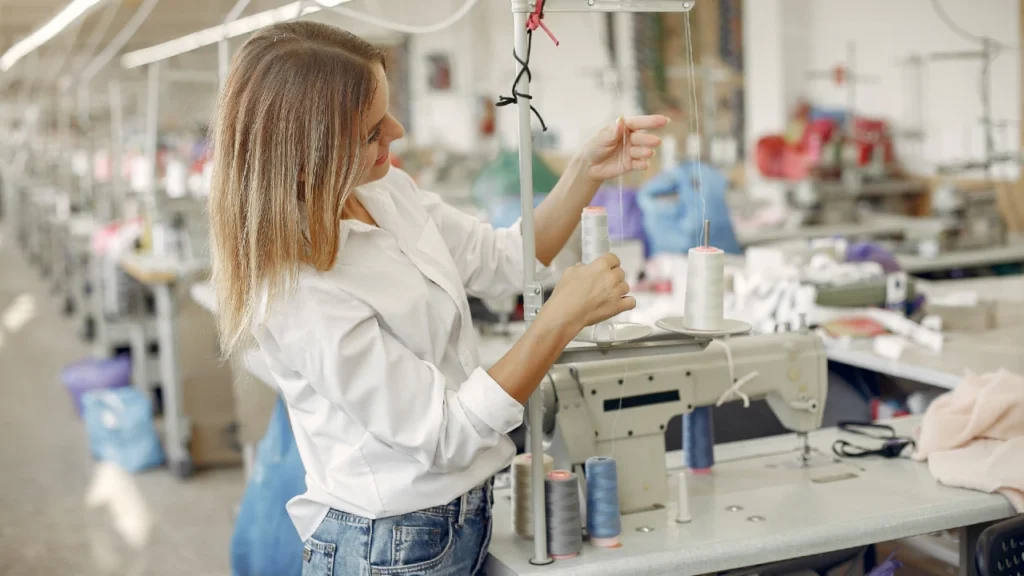
Modern embroidery has empowered thousands of small businesses worldwide. From Etsy shops to Instagram stores, creators now earn income through:
- Custom apparel
- Handmade gifts
- Portrait embroidery
- Patch design
- Hoop art décor
- Workshops and online classes
This shift shows how embroidery has transformed from a simple hobby into a full-time opportunity for many people.
Final Thoughts
The world of stitching is changing fast, and The Rise of Modern Stitching & Contemporary Embroidery Art reflects how creativity, technology, and culture come together beautifully. Whether you prefer hand-stitching or digital embroidery, there is unlimited room to innovate and express yourself. With evolving trends, eco-friendly materials, and increased global appreciation for handmade craft, embroidery is more alive than ever.