Introduction:
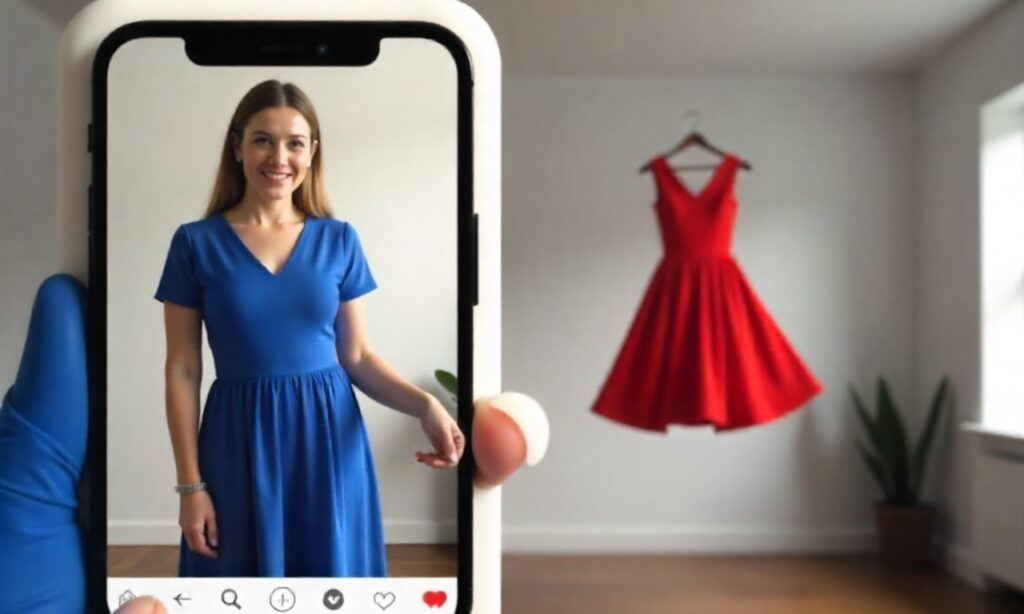
In today’s fashion-forward world, style advice comes from two very different sources: artificial intelligence (AI) stylists and human fashion stylists. The debate of AI vs Human Stylists: Who Dresses You Better? is heating up as technology rapidly enters the fashion industry. Both bring unique advantages to the table—AI brings speed and accessibility, while human stylists offer creativity and empathy. But which one truly helps you look and feel your best? Let’s break it down.
The Rise of AI Stylists
Artificial intelligence has revolutionized industries, and fashion is no exception. From AI styling apps to virtual try-on mirrors, technology is reshaping how we choose outfits. Big brands like Zara, H&M, and Stitch Fix already use AI to provide personalized shopping recommendations.
Key Benefits of AI Stylists
- 24/7 Accessibility – Whether it’s 2 a.m. or during your lunch break, AI can instantly suggest outfit combinations.
- Budget-Friendly – Many AI apps are free or cost far less than hiring a professional stylist.
- Trend Awareness – AI pulls live data from fashion shows, social media, and online stores to stay updated.
- Personalization – Algorithms analyze your shopping habits, body type, and even color preferences.
For instance, Stitch Fix’s AI stylist uses data science to suggest a box of curated outfits delivered to your home. Similarly, Fashwell (a fashion AI startup) developed image-recognition tools that recommend clothing based on pictures you upload.
Limitations of AI Stylists
AI can suggest outfits based on what’s trending, AI vs human stylists: Who dresses you better? but it often misses cultural nuances, emotional context, or the story you want your clothes to tell. A computer might recommend a sequined dress for a formal dinner just because it’s fashionable—while a human stylist might know that understated elegance works better for your personality.
The Human Touch in Fashion Styling
A human stylist is more than just a fashion consultant—they are part artist, part psychologist. They read your personality, body language, and confidence level to craft a wardrobe that truly represents you.
Why Human Stylists Still Matter
- Emotional Connection – Stylists listen to your insecurities and highlight your strengths through clothing.
- Creative Experimentation – They mix textures, prints, and styles in ways AI doesn’t dare.
- Cultural Sensitivity – A stylist respects traditions, modesty, and social expectations while keeping you fashionable.
- Exclusive Access – Many stylists have insider access to luxury showrooms, designer previews, and unique pieces.
Imagine preparing for your wedding. An AI stylist may suggest the latest trending bridal gowns, but a human stylist will look at your skin tone, cultural traditions, and personal story to select something that makes you feel unforgettable.
AI vs Human Stylists: Quick Comparison
Here’s a simple comparison list to show the strengths of both:
- AI Stylists
- Affordable and accessible
- Fast, data-driven suggestions
- Works best for online shopping
- Great for everyday casual looks
- Human Stylists
- Emotional intelligence and creativity
- Tailored to your lifestyle & culture
- Strong fashion network
- Best for events, milestones, and image building
When AI Works Best
AI styling is perfect for everyday shoppers. If you’re looking for weekend wear, quick office outfit ideas, or seasonal wardrobe refreshes, AI can save you time and money.
For example:
- Amazon Echo Look (AI stylist camera) once allowed users to take selfies and get instant outfit feedback.
- Pinterest’s AI shopping tool now helps users buy outfits similar to their pinned looks.
👉 Promotion: If you love experimenting with quick outfit hacks, try out our 5-Minutes Craft Style Guide—it’s an AI-inspired resource filled with home & garden craft ideas that make your wardrobe fresh, stylish, and affordable.
When Human Stylists Make the Difference
AI may be great for convenience, but for high-impact moments, nothing beats a human stylist. They help create a complete fashion story. Think about celebrity stylists like Rachel Zoe, who helped shape red carpet looks that defined Hollywood style. Or Law Roach, who styled Zendaya into one of today’s most daring fashion icons.
Imagine attending a job interview. AI might suggest a standard black blazer because it’s “safe.” But a human stylist might choose a navy suit with a soft blouse—something that feels powerful yet approachable. That nuanced decision can boost your confidence and even influence first impressions.
The Future: AI and Human Stylists Together
The real future of fashion isn’t about AI vs Human Stylists—it’s about how both can work together. Here’s how the future could look:
- AI for Efficiency: Handling shopping data, size recommendations, and wardrobe planning.
- Humans for Creativity: Bringing emotional intelligence, culture, and storytelling into fashion.
- Hybrid Styling Platforms: Imagine an app where AI suggests outfits, but a human stylist tweaks them for final approval.
This hybrid model is already emerging. Companies like Stitch Fix use both algorithms and real stylists to deliver boxes that combine data with human creativity.
Tips for Choosing the Right Styling Option
Here’s how to decide between AI and human stylists depending on your needs:
- On a Budget? → Go with AI apps for affordable inspiration.
- Need a Special Look? → Book a human stylist for weddings, parties, or career milestones.
- Want Speed & Trends? → AI tools deliver instant results.
- Want Personality & Depth? → Human stylists capture your essence.
Final Thoughts
Fashion is more than just clothing—it’s self-expression, confidence, and identity. AI stylists are fantastic for quick, budget-friendly, and trendy outfit ideas. Human stylists, however, bring emotional depth, creativity, and cultural understanding that machines can’t replicate.
So, when asking AI vs Human Stylists: Who Dresses You Better?, the answer depends on your needs. For casual daily looks, AI is a helpful guide. But for defining life moments, human stylists remain unmatched. Perhaps the future of fashion is not choosing one over the other, but blending both—where technology provides efficiency and humans add soul.